The Role of Luck in Gambling
Luck plays a pivotal role in the gambling experience, acting as an unpredictable force that can significantly alter outcomes. Whether playing slots, table games, or betting on sports, a player’s fortunes can change in an instant, often based on mere chance. This element of luck creates an exhilarating atmosphere, making every game an unpredictable journey. Many players believe that they can develop strategies to enhance their odds, and exploring options like neosurf deposit casino can be part of that strategy, but ultimately, the component of luck remains a primary driving force behind their success or failure.
Furthermore, this relationship between luck and gambling extends beyond the individual games. It encompasses broader elements such as timing, environment, and even mood. For example, a player might have a string of bad luck and decide to leave the casino, only to return later and experience a winning streak. This rollercoaster of fortune illustrates how luck can shape not just individual outcomes but the entire gambling experience, impacting a player’s psychological state and decision-making.
The very nature of gambling is a dance between skill and luck. While certain games, like poker, involve a level of skill and strategy, elements of luck, such as the cards dealt, can shift the balance in an unexpected manner. In contrast, games like roulette and slots rely solely on chance, amplifying the feeling of randomness. Therefore, players often find themselves emotionally invested, hoping for favorable outcomes influenced by luck, leading to a thrilling yet often unpredictable experience.
The Psychological Impact of Luck
The psychological influence of luck in a casino setting can be profound. Players often develop a belief in ‘lucky charms’ or routines that they believe enhance their chances of winning. This behavior highlights how luck isn’t just a numerical probability but also a psychological concept that affects players’ actions and decisions. For instance, a player might wear a specific piece of clothing or follow a ritual before placing a bet, convinced this will tip the scales in their favor.
This attachment to luck can also impact a player’s emotional state during their experience. Winning streaks can result in heightened excitement and euphoria, while losing streaks might lead to frustration and disappointment. The highs and lows of luck can evoke a range of emotions, causing players to become more engaged but also potentially more reckless in their betting behavior. Understanding these emotional responses is crucial for players who want to enjoy their time at a casino without succumbing to the negative effects of bad luck.
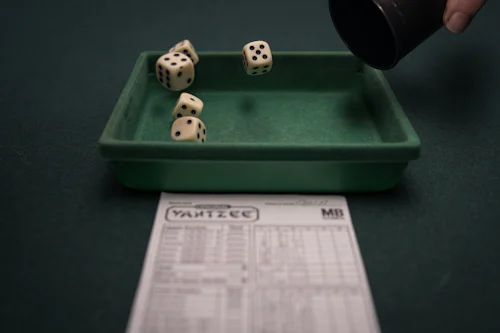
Moreover, the concept of luck can also contribute to a player’s overall perception of success in gambling. Many players identify themselves as “lucky” or “unlucky,” which can significantly influence their approach to future games. This self-perception can create a feedback loop; for example, a “lucky” player may take more risks, believing they are favored by fortune when, in reality, the outcomes are still fundamentally random. Such mental frameworks can enhance or hinder the enjoyment of the casino experience.
Luck vs. Skill: Finding the Balance
In many casino games, the balance between luck and skill is a significant factor determining players’ outcomes. Strategic games like blackjack and poker require a player to employ skillful decision-making, reading their opponents, and calculating odds. However, even the most skilled players cannot escape the effects of luck, as the cards or spins result from chance. Thus, recognizing this interplay is essential for gamblers who want to be successful while enjoying the thrill of the game.
Conversely, games reliant primarily on luck, such as slot machines and roulette, present a different challenge. Players enter these games with the mindset that luck will be their most vital ally. Here, the sheer randomness can produce surprising outcomes that are completely out of the players’ control. This unpredictability can be exciting for some, but it can also lead to frustration for those who fail to win. Understanding this difference can help players choose games that line up with their personal preferences for entertainment and risk.
Additionally, this balance between luck and skill impacts not only the results but also the strategies players adopt. Skilled players often aim to maximize their chances through careful betting, while luck-based players might prioritize enjoyment and spontaneity. Recognizing which approach to take can enhance one’s overall experience and satisfaction. Ultimately, whether relying on skill or waiting for that stroke of luck, both aspects create a rich tapestry of experiences that define the casino atmosphere.
Environmental Factors Influencing Luck
While luck is often seen as a personal experience, the environment of a casino can significantly impact how players perceive and interact with luck. Vibrant lights, sounds of games, and the energy of the crowd create an atmosphere that can enhance feelings of excitement and anticipation. These factors can lead players to feel more optimistic about their chances, potentially altering their approach to gambling. The ambiance of a casino not only influences emotions but can also shape perceptions of luck.

Moreover, the casino layout itself can contribute to a sense of luck. Certain areas may seem ‘hot’ or ‘cold,’ affecting where players choose to gamble. For instance, if a particular slot machine has recently paid out a large jackpot, others may flock to it, believing their luck will be sparked by proximity. Such collective beliefs often influence player behavior, creating an environment where luck is perceived as contagious. This kind of social interaction can heighten the gaming experience, adding a communal element to the pursuit of luck.
In addition, the presence of other players can also influence an individual’s sense of luck. Watching someone else win can create a ripple effect of enthusiasm, leading others to believe they might be next in line for a win. Conversely, witnessing multiple losses can create a sense of despair, negatively impacting the collective morale. Understanding how environmental factors shape the perception of luck can help players better navigate their gambling experience, making choices that maximize enjoyment and mitigate frustration.
Explore More About Luck and Casino Experiences
The exploration of luck and its influence on casino experiences offers a fascinating glimpse into human psychology and behavior. Players are constantly navigating a world filled with uncertainty, and their relationship with luck plays a crucial role in how they approach gambling. Whether it’s the thrill of hitting a big jackpot or the disappointment of an unexpected loss, the experiences shaped by luck contribute to the allure of casinos. Understanding these dynamics can enhance anyone’s gambling strategy and enjoyment.
For those eager to delve further into the world of casinos, it’s important to seek out reliable resources that discuss luck, strategy, and the psychology of gambling. Engaging with expert analyses and narratives around these topics can provide a deeper insight into the unpredictable nature of luck and its impact on the casino experience. Ultimately, cultivating a well-rounded understanding can help players make informed decisions and create more positive experiences during their time at gambling establishments.
In conclusion, luck is a multifaceted concept that intertwines with various aspects of the casino experience. From psychological implications to environmental influences, it affects how players perceive their chances and navigate their gambling journeys. Embracing the uncertainties and understanding the role of luck can lead to a richer, more fulfilling experience in casinos, ensuring that every bet is as exciting as the last.